
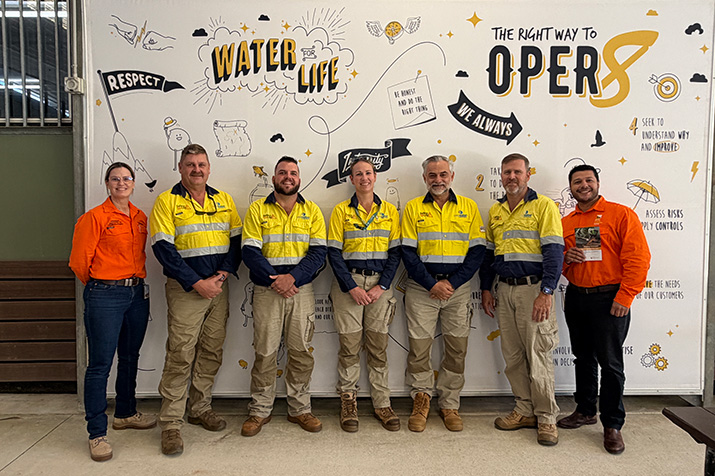
Published 20 October 2026
As South East Queensland’s bulk water supply authority, Seqwater delivers safe, reliable drinking water to more than 3.8 million people. The organisation manages a diverse network of dams, water treatment plants, catchments, and construction sites across the region, making protection from biosecurity threats an essential part of its role.
Fire ants can establish around electrical boxes, water valves, and operational equipment, creating risks for critical infrastructure. As fire ants are attracted to open, disturbed environments and can be found around water infrastructure – ongoing stewardship and biosecurity vigilance are essential. If left unmanaged, infestations can:
- damage assets
- increase maintenance costs
- disrupt operations.
Ryan Hurley, Seqwater Senior Biosecurity Officer says:
Our focus is on prevention. The more we embed biosecurity into everyday activities, the better positioned we are to protect our assets, our people, and the communities we serve. One of our biggest priorities is making sure we do not accidentally move fire ants from one location to another through our everyday activities.
Seqwater prioritises preventing the movement of fire ants through its day-to-day operations. To manage this risk, the organisation has embedded biosecurity practices across its workforce, contractor network, and operational procedures to protect critical infrastructure and reduce the risk of fire ant spread.
Building a biosecurity-first culture
Education and awareness are central to Seqwater's fire ant management approach.
Working closely with the National Fire Ant Eradication Program (our program) and the Queensland Government’s Fire Ant Suppression Taskforce (FAST), Seqwater has made fire ant awareness training a mandatory part of onboarding for field-based staff.
Staff and contractors receive training on:
- fire ant identification
- surveillance and monitoring
- treatment activities
- movement controls
- reporting requirements.
Seqwater reinforces this training through regular toolbox talks, awareness campaigns, and ongoing engagement activities. These efforts help staff recognise risks, report suspect fire ants and nests, and respond quickly when detections occur.
Ryan Hurley, Seqwater Senior Biosecurity Officer says:
The support and guidance provided by the program and FAST has helped strengthen our biosecurity practices and build greater awareness across our workforce. We are proud to play our part in helping stop the spread of fire ants.
Embedding biosecurity into everyday operations
Seqwater manages biosecurity risks across a large and geographically dispersed network by applying a consistent approach. The organisation integrates fire ant biosecurity requirements into contracts, procurement processes, and approvals for businesses operating on its land. While undertaking work, contractors must:
- meet their general biosecurity obligation
- check the fire ant biosecurity zones and comply with movement controls
- report suspect fire ants or nests within 24 hours.
Seqwater also conducts regular audits and inspections to verify compliance with Queensland’s biosecurity measures. These activities help ensure staff and contractors consistently meet requirements across operational and construction projects.
Investing in practical solutions
Seqwater also supports its biosecurity commitment with practical tools that make compliance easier for staff and contractors. The organisation has invested approximately $150,000 in transportable washdown facilities and equipment to support its Come clean, go clean approach. These facilities allow staff and contractors to clean machinery, vehicles, and equipment before moving between sites. By reducing the risk of transporting fire ants to new areas, these facilities support compliance with movement controls and strengthen on-ground biosecurity practices.
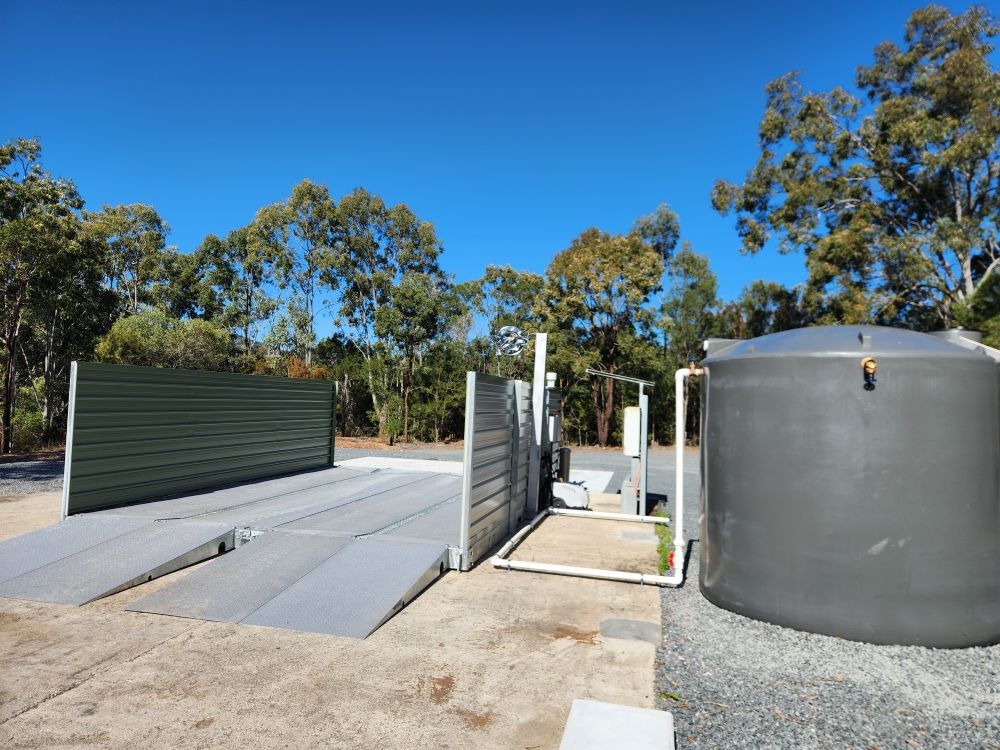
Pictured: Seqwater’s transportable washdown facility.
Turning prevention into practice
Proactive monitoring and auditing are central to Seqwater’s biosecurity approach.
During a routine audit, Seqwater staff identified a dirty drill attachment on a subcontractor vehicle before it entered a work site. The equipment was cleaned before entry, preventing a potential biosecurity breach.
The incident demonstrates the value of regular inspections, clear accountability, and staff awareness in identifying risks before they affect operations. These practices not only help reduce the risk of fire ant spread but also support broader biosecurity by helping prevent other pests and weeds from being introduced into new areas.
Ongoing training, reporting, and hygiene practices further strengthen compliance and early detection. By embedding these controls into routine operations, Seqwater can better protect critical assets, reduce the likelihood of pest and weed spread, and minimise avoidable maintenance costs and operational disruption.
Protecting critical infrastructure
Seqwater operates under strict health, safety, environmental, and quality requirements to ensure drinking water remains safe.
When fire ant treatment is required, Seqwater carefully plans and manages activities to protect water quality and meet regulatory obligations. Direct nest injection treatments are not undertaken within water treatment areas or near water sources.
Seqwater works closely with our program, FAST, Biosecurity Queensland, and the Department of the Environment, Tourism, Science and Innovation to strengthen its biosecurity capability and continuously improve its fire ant management practices.
Through training, information sharing, and collaboration, Seqwater helps reduce the risk of fire ant spread while supporting broader fire ant eradication efforts.
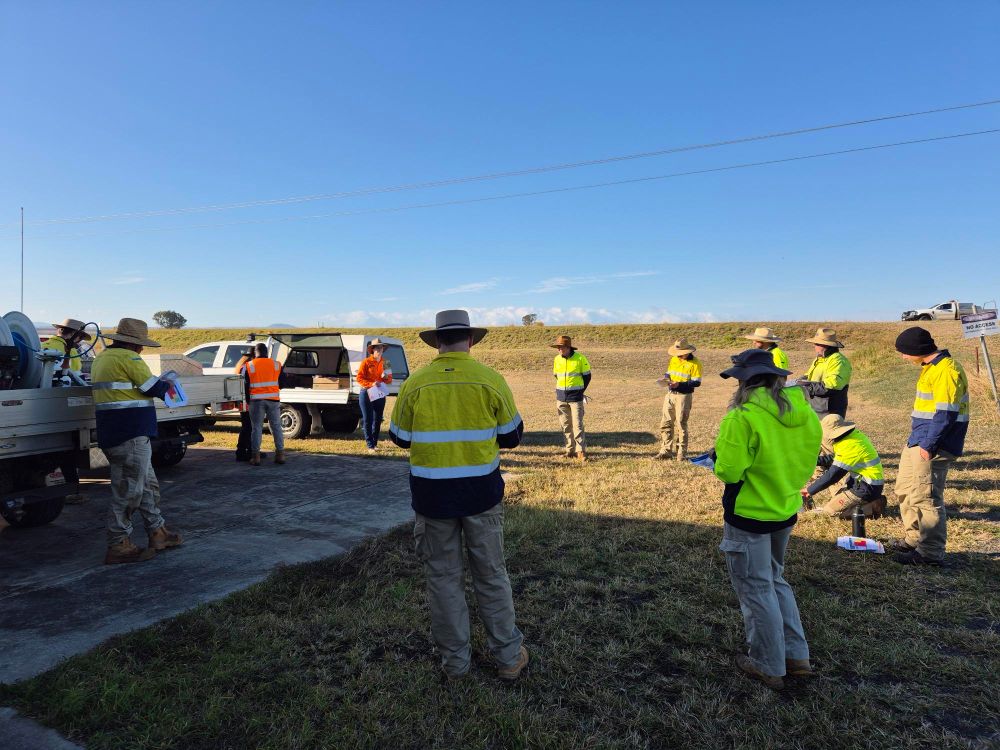
Pictured: Our program staff delivering movement control training to Seqwater Operational staff.
Leading by example
Seqwater continues to strengthen its fire ant management practices by regularly reviewing its processes and applying current biosecurity guidance across its operations.
Maintaining this standard also means ensuring contractors and suppliers understand and follow the same requirements. Through clear expectations, ongoing awareness, and regular oversight, Seqwater helps embed consistent fire ant risk management practices across both its workforce and contracted activities.
By continuing to review, train and improve, Seqwater can remain aligned with best-practice fire ant management, protect critical water infrastructure, and help reduce the risk of fire ants spreading across South East Queensland.
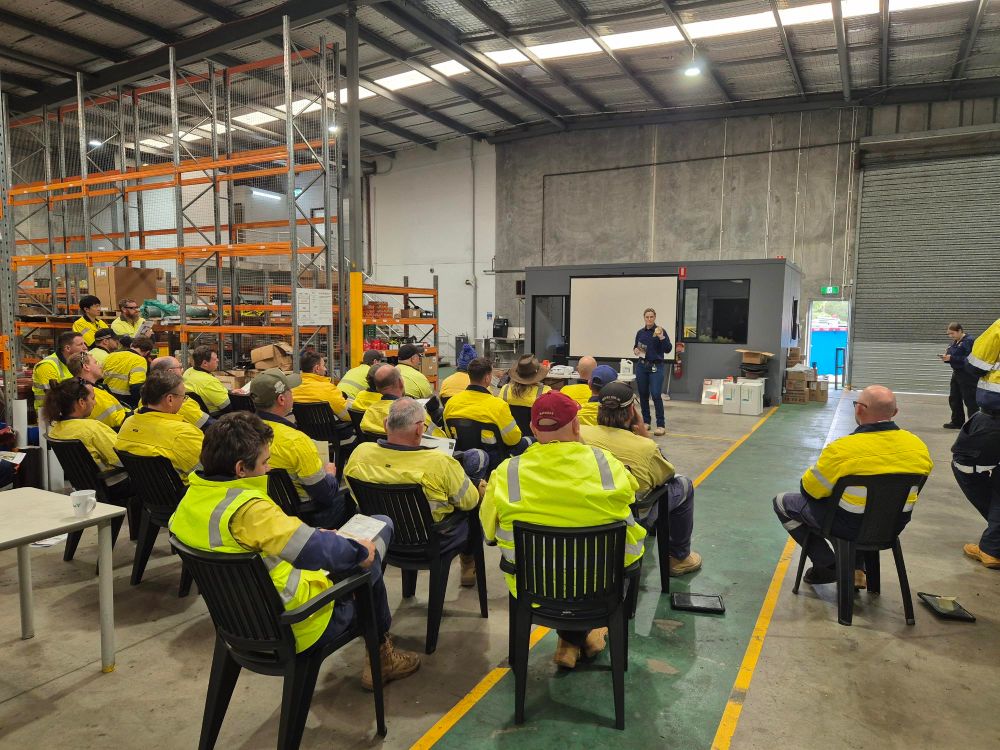
Pictured: Our program staff training Seqwater Ventia contractors at their Baringa depot.
Key outcomes
- Strong partnerships with our program, FAST, and key government agencies.
- Mandatory fire ant awareness training embedded into onboarding for field-based staff.
- Biosecurity and movement control requirements integrated into contracts and procurement processes.
- Investment in transportable washdown facilities and equipment.
- Come clean, go clean practices embedded across operational activities.
- Proactive audits and inspections supporting compliance and early risk identification.
- Reduced biosecurity risk for critical water infrastructure servicing millions of South East Queensland residents.
- Ongoing contribution to Australia's national fire ant eradication effort.