Published 20 January 2026
Overview
Gympie Regional Council (the council) is demonstrating how early planning and strong community leadership can significantly reduce the risk posed by fire ants—one of Australia’s most serious biosecurity threats. Through proactive planning, workforce training, industry engagement, and targeted community education, the council is building long-term resilience across its region.
Covering almost 6,900 km² and home to approximately 50,000 residents, the Gympie region includes a mix of urban centres, rural landscapes, and diverse industries. With fire ants detected only 14 km away from the region's southern boundary—and ongoing population growth, development, and major infrastructure projects increasing risk—the council identified the need to act early.
The challenge
Fire ants pose a significant threat to community safety, the environment, agriculture, and the local economy. High levels of movement of people, materials, and machinery into the region, combined with increased development activity, heightened the risk of accidental fire ant spread and establishment.
Recognising these risks, the council committed to a proactive, whole-of-community approach to fire ant preparedness—before any confirmed detections in the local government area.
The approach
The council developed a comprehensive fire ant preparedness plan focused on prevention, early detection, and rapid reporting. This approach emphasised shared responsibility across council staff, contractors, industry, and the broader community.
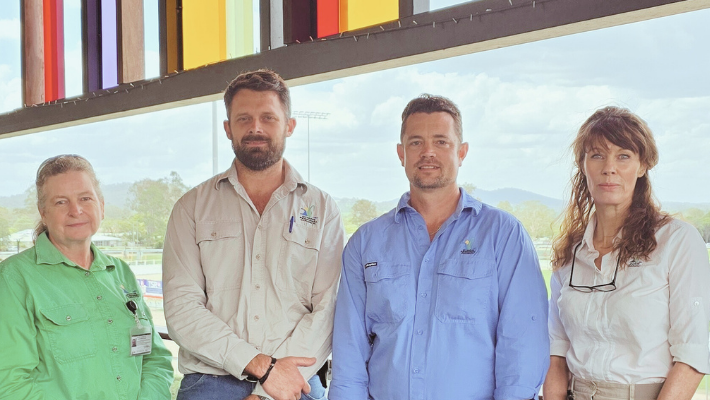
'We are a small team with a big job. Preparation and preparedness deliver better outcomes. When it comes to fire ants, we have taken a proactive approach—providing leadership and driving a clear strategy across council,' said James, Biosecurity Officer, Gympie Regional Council.
Building internal capability
In 2023, the council prioritised building internal capability by developing a fire ant training for its workforce. The training was approved in January 2024 and rolled out in March 2025.
Key outcomes include:
- More than 650 council staff enrolled, with an 85% completion rate.
- Mandatory training for contractors working in high-risk sectors.
- Active participation in the Gympie Natural Resource Management Forum, attracting 40 participants from multiple councils.
- Regular presentations by biosecurity officers to environmental groups to promote free online fire ant training.
This workforce-wide initiative ensures staff—from office-based roles to field crews—are equipped to identify, report, and respond quickly to potential fire ant sightings.
Partnering with industry
Understanding the critical role industry plays in preventing the spread of fire ants, the council partnered with our program to deliver a free fire ant industry awareness workshop.
The workshop attracted more than 40 participants, including primary producers, nurseries, builders, landscapers, developers, consultants and government staff.
Supported by program representatives and local councillors across multiple regional councils, the workshop provided practical guidance for businesses that handle or transport soil, turf and other high-risk materials.
Promotion through local FM radio extended the reach of the initiative, reinforcing fire ant awareness across the wider Gympie community.
By partnering with industry and the program to deliver collateral and fire ant awareness workshops, council helps close the communication gaps where misinformation often takes hold, particularly outside the established biosecurity zone.
Engaging the community
The council implemented a multi-channel community education campaign to ensure residents understood the risks posed by fire ants and how to respond.
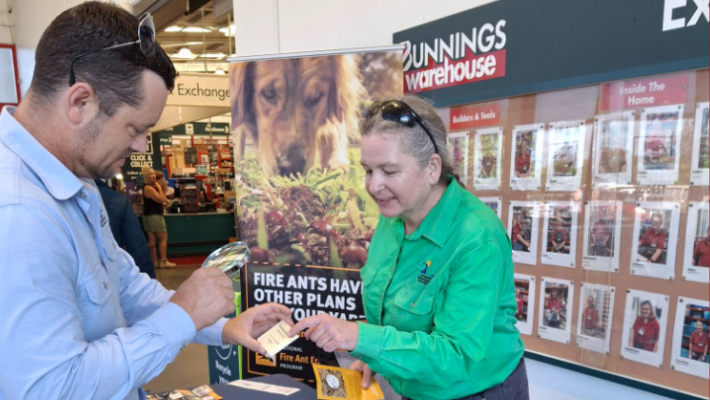
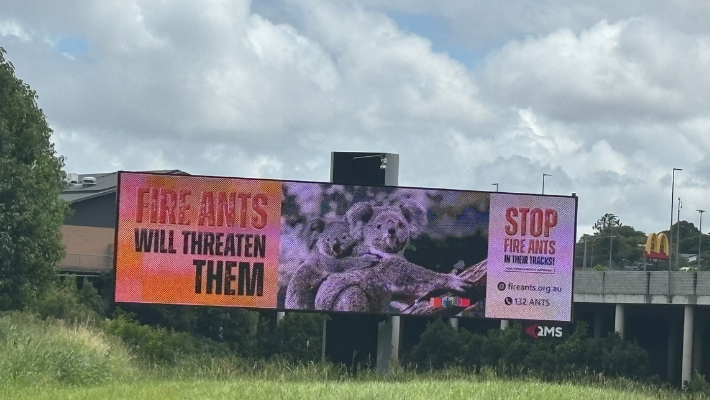
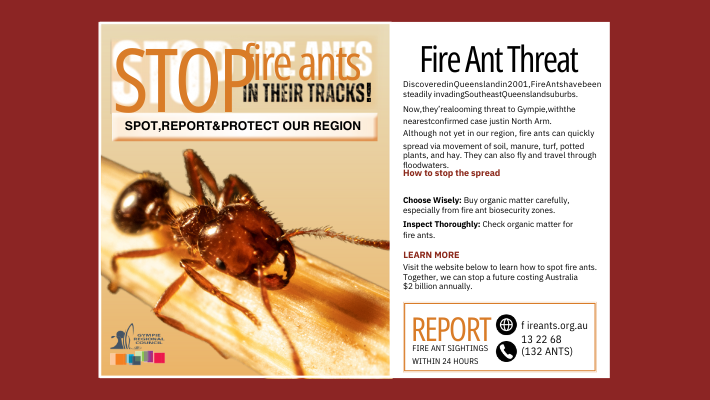
Using Mayoral messages, local newspapers and magazines, community events, billboards, and the council’s website and social media channels, the campaign reached more than 52,000 residents within a 6 week period, with a clear call to action: Spot, Report & Protect our Region.
These efforts have increased awareness and vigilance across the community, supporting early detection and reducing the likelihood of fire ants establishing in the region.

Outcomes and impact
The council’s proactive approach has:
- strengthened early detection and reporting pathways
- increased fire ant awareness across council, industry, and the community
- reduced the risk of accidental spread through improved training and education
- contributed to Queensland’s broader fire ant eradication efforts.
Key lessons for other councils
The council’s approach to fire ant preparedness shows what can be achieved through early planning, collaboration and shared responsibility. It is setting a practical example for other councils through:
- investing in staff and contractor training
- supporting local industries with targeted workshops
- using diverse communication channels to reach the community
- partnering with our program and neighbouring councils
- holding regular biosecurity meetings to identify emerging risks and opportunities
- collaborating with disaster management teams
- proactive voluntary compliance with their own council sites.
'The workshops in Gympie encouraged our staff to collaborate with the National Fire Ant Eradication Program and act early by updating procurement and contractor agreements, training staff to manage high-risk materials, and monitoring high-risk sites. Improved awareness and protocols have already intercepted biosecurity risk materials entering the Shire. These early actions help keep fire ants out of Noosa,' said Rachel, Coordinator – Conservation and Environment, Noosa Council.
United for a fire ant-free future
The council’s experience demonstrates the power of collective action. By empowering staff, working alongside industry, and educating the community, the council is protecting its region. In doing so, it is supporting Australia’s goal of eradicating fire ants by 2032 and helping safeguard our health, environment, economy and outdoor way of life for generations to come.
What steps can your council take right now to strengthen preparedness and prevent the spread of fire ants? Contact us to explore how we can work together – sharing knowledge, resources and practical actions to protect communities and support eradication efforts.